Monday, April 29th, 2019 (
No comments yet)
We all mourned the trial loss where the RIAA won a judgement of over $200,000 against a woman who claims she didn't even download anything. Whether she did or not, I support her appeal on the basis that $200k is excessive. Assuming she downloaded songs and shared them too, the amount of her penalty should be far closer to real damages, not some made up number.
Tags:
P2P,
RIAA
Monday, April 29th, 2019 (
No comments yet)
Cute names for bad laws aside, here's a solid report on the privacy implications of the "Protect America Act" and some recommendations on how to change it to make it acceptable.
Tags:
Big Brother
Monday, April 29th, 2019 (
No comments yet)
Verizon has issued a notice stating that unless you opt-out now, they will have the right to sell your data to whoever they want (including all the data of who you're calling). It's bad enough if the major telcos worked with the government to spy on us, but now they want to sell it to anyone and everyone? Are there no honorable companies left?
Also covered at the Consumerist.
Tags:
Scams - Ripoffs - Dirty Tricks,
Verizon
Monday, April 29th, 2019 (
No comments yet)
Bush is threatening to veto any wire-tapping bill that comes to him without language that retroactively provides immunity to the telecommunication companies (like AT&T) for their part in the illegal spying fiasco.
Has anyone else noticed or is refusing to sign a law because of a provision that technically has nothing to do with said law considered blackmail? If it's not, it's certainly a tantrum at the least.
Tags:
Accountability,
George Bush
Monday, April 29th, 2019 (
No comments yet)
Not surprisingly, a class-action lawsuit has begun against Apple and AT&T becuase of their firmware update that some claim was intentionally designed to break any iPhone that someone had unlocked.
The real problem here is that people really like the iPhone. As soon as it came out, busy hackers got to work unlocking it so it could be used with another cell provider's service and have 3rd party programs installed on it. Apple and AT&T didn't like that and soon issued a new update to the phone which caused many of the ones that had been "hacked" to break. There are some who think it was done intentionally.
While I can certainly imagine it, you would think that they would have anticipated the legal and customer backlash. You would think… but companies have made these kinds of mistakes before.
Tags:
Scams - Ripoffs - Dirty Tricks
Monday, April 29th, 2019 (
No comments yet)
No I'm not talking about the illegal spying, but the case of the Al-Queda video that was discovered before it was publicly released. The problem is that the disclosure of the video alerted Al-Queda that their networks had been compromised. While I read about this news yesterday, what I didn't know was that it was the Bush administration who is responsible for the leak.
Tags:
George Bush,
Leaks
Monday, April 29th, 2019 (
No comments yet)
I don't like OnStar. That said, here's an article about how OnStar can be used to remotely slow down and then disable stolen cars (particularly those involved in a high-speed chase).
I wonder how long it will be until they incorporate automatic ticketing for people who exceed the speed limit.
Tags:
Onstar
Monday, April 29th, 2019 (
No comments yet)
Consumeraffairs is now reporting that the last credit reporting company, Experian, will now be offering credit freezes in all 50 states, just like the other two.
Credit freezes have always been the quickest, strongest, and most effective way to reduce identity theft. And while this is true:

All three credit bureaus had staunchly opposed credit freezes in the past, claiming the practice would harm consumers seeking credit and slow down industries that depend on instant access to credit.
If you've been reading how instant credit is destroying lives and burying people under mountains of debt they can't handle, this doesn't seem like a problem at all.
Anyway, they're not all in effect yet and I think that further legislation would be good to make sure that these companies don't worsen the deal over time, but it's a damn good start.
Tags:
Credit Freezes,
Identity Theft
Monday, April 29th, 2019 (
No comments yet)
One of my heroes is Paul Levy who spoke at the 2006 Computers, Freedom, and Privacy Conference in DC. He works at public citizen and is one of their main guns when it comes to protecting people online. You see, companies have this bad habit of bullying people out of their domain names or first amendment rights. Public Citizen offers free legal services in defense of innocent people in the face of bad corporations everywhere.
Their latest: a situation where a company sent a cease and desist letter with an interesting twist. They claimed that the cease and desist letter was copyrighted and that posting it online would result in a lawsuit. This, of course, was to try and prevent someone from making the letter public in an effort to get public opinion on their side.
Well, Public Citizen has a copy of the letter and has posted it on their site along with their excellent response explaining why sending a letter like that is a waste of time.
Update 2007.10.12
They've already given in 🙂
Tags:
Funny,
public citizen,
Your Rights
Monday, April 29th, 2019 (
No comments yet)
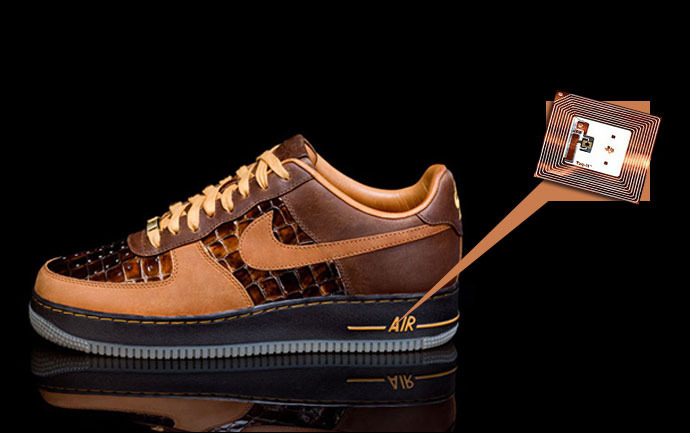
Because Walmart isn't addressing the privacy concerns with rfid, I can't help but cheer when I hear their efforts to get RFID into all their products has failed.
Wal-Mart's change of plan demonstrates the need for retailers and suppliers alike to tread carefully with RFID. As retailers such as Best Buy have observed, widespread adoption is still years, not months, away. At the same time, some of the greatest benefits may not be in applications first thought to be ripe for the technology, such as automating distribution centers. Instead, retailers are finding early gains closer to the sales floor, where they are using RFID to track consumer buying patterns and ensure products are on shelves in time for promotions.
It used to be that Walmart's market power was so high that they could force anything they wanted, but I guess that's starting to slip a little.
Tags:
RFID,
Walmart