China’s Surveillance Society Created By American Hands

China has history, but the recent part isn't so good.
(Image is in the Public Domain)
American companies are providing technology to China to be used in their mass surveillance of their people.
The Fourth Amendment prohibition against illegal search and seizure made it into the U.S. Constitution precisely because its drafters understood that the power to snoop is addictive. Even if we happen to trust in the good intentions of the snoopers, the nature of any government can change rapidly — which is why the Constitution places limits on the tools available to any regime. But the drafters could never have imagined the commercial pressures at play today. The global homeland-security business is now worth an estimated $200 billion — more than Hollywood and the music industry combined. Any sector of that size inevitably takes on its own momentum. New markets must be found — which, in the Big Brother business, means an endless procession of new enemies and new emergencies: crime, immigration, terrorism.

We're in very real danger of what they have over there being implemented here. And it's already begun.

Tags: ,

China Puts RFID Chips In Olympic Tickets

(Image used under: Creative Commons 2.0 [SRC])

This should be interesting. If China didn't take some serious precautions when implementing RFID for their tickets, we should be hearing any day now about people who remotely cloned someone else's ticket and got into the game denying access to the others.

Or, since passport information is stored on the ticket as well, someone with a scanner can find anyone from a given country should they wish to target someone based on their nationality. Let's see what happens.

Tags: ,

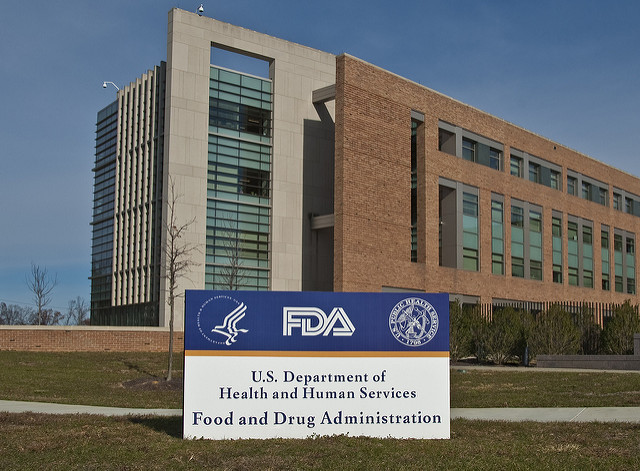
China FDA Head to be Executed

Food and Drug Administration (FDA)
(Image is in the Public Domain)
When the former head of the U.S. Food and Drug Administration was caught violating the law, he was charged with two misdemeanors. When the former director of China's State Food and Drug Administration (SFDA) was convicted on corruption charges, he was sentenced to death.

I don't know. I'm thinking that the Chinese version makes the next guy a little more responsible…

Tags: , ,

Chinese Shipments are Refused, but Get In Anyway

(Image used under: Creative Commons 2.0 [SRC])

It's fast becoming apparent that food from China is dangerous. Despite the FDA's attempt to stop the tide, Chinese shippers are cleverly just trying again trying not to be in the 1% of checked shipments twice in a row.

Tags: ,

Loading...

If you want to learn more about my professional background, click here to learn more.

Check out one of my guides/tutorials:

email Tutorial
|INDEX|next: E-mail Viruses

E-mail Dangers

Until we find out who the people are who actually buy things from spammers and kick them off the Internet, you're going to have to learn how to deal with and prevent spam.
E-mail Viruses - Learn how viruses are spread through e-mail and how to stop them
Phishing - Spot and avoid lures that pull you into the dark side of the web
Don't be one of those people that loses thousands of dollars to the classic Nigerian Scam.

E-mail Etiquette

Use CC only when necessary and BCC the rest of the time.
Use Reply-All when you mean to and never when you don't.
Practice proper E-mail Forwarding to protect privacy and make e-mails more readable.
Always personalize your e-mails to make it obvious to your recipient that it's valid.

E-mail Tips and Tricks

Using E-Mail Aliases Properly - Be careful about using sensitive data (like your real name) in an e-mail account.
Remember to treat your e-mail account with the security it deserves.
Use a decoy e-mail account to keep your main e-mail account free of spam.
Avoid using any Internet provider's default e-mail.

... or check out any of my other guides and tutorials by clicking here!

Preventing Spam

Spam is annoying and worthless, but you still see it every single day. Here are some tips for preventing and reducing spam.

[Click for full description]

E-mail Viruses

Make sure that viruses don't sneak onto your computer through your e-mails. Read some simple tips to prevent that from happening.

[Click for full description]

Phishing

By far the most dangerous thing you'll find in e-mails is a lie. Sending a bogus e-mail to someone is generally called phishing, but can also be referred to as a Nigerian scam (depending on the goal of the e-mail). Learn to recognize and deal with phishing before it's too late.

[Click for full description]

Nigerian Scam

Many people have lost thousands and even hundreds of thousands of dollars to the classic Nigerian Scam. Don't fall for it!

[Click for full description]

How to Use "CC" Properly

Don't violate people's privacy and invite spam into their accounts by CC'ing all your contacts. Learn the proper way to send mass e-mails first.

[Click for full description]

Reply-All

It's easy to embarass yourself or harm your career when you don't know how to use Reply-All appropriately.

[Click for full description]

How to Forward E-mails Properly

Don't forward e-mails carelessly or you risk looking foolish as best and violating the privacy of all your contacts at worst.

[Click for full description]

Personalize E-mail

Follow this simple rule of e-mail etiquette to help prevent your friends and family from falling for phishing scams.

[Click for full description]

Using E-Mail Aliases Properly

It can be hard to find a good name to use in an e-mail account that hasn't been used and doesn't give away too much information about you.

[Click for full description]

Protecting E-mail Passwords

Your e-mail account is the most important online account you have. Remember to treat it as such!.

[Click for full description]

Using a Decoy E-Mail Account

Why it's very important to use a buffer e-mail account to shield your main account from people and companies that you don't trust.

[Click for full description]

The ISP E-mail Trap

Don't fall for the trap of using the free e-mail account provided to you by your Internet service!

[Click for full description]