Yes, it's THAT book!

Drop your email here to stay informed of the status of my "tell most" book about the National Security Agency:

--OR--

Read a little about the book here:

Employees are allies, not the adversary

--OR--

Check out the Kickstarter here (click)
How can I help you?
Contact Jeremy
Recommendations

Here's something that


I, Jeremy Duffy, actually recommend and think is worth checking out.
No web-bugs, no bs, just a legit recommmendation that I have personally evaluated before allowing it to be listed here:

Think something's here that shouldn't be? contact me!

All About Shredding

Bills, medical information, credit card offers, birthday cards, legal notices. Think of all the information that these contain (especially when combined)! There has even been a case where someone took a torn up credit card application, taped it back together, mailed it in and GOT CREDIT ANYWAY.

Unless it's used tissue paper, diapers, or something else that has no useful personal information on it, you should be shredding the living snot (or lifeless pulp rather) out of it.

The problem with normal shredders

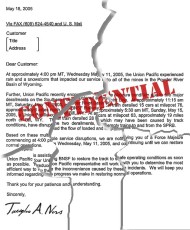
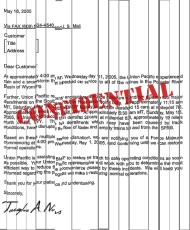
Most regular shredders are no good. Why? Look at this:
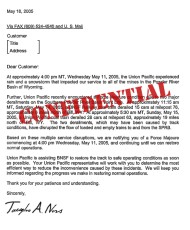
The original document
Torn by hand
Strip shred

The only real difference between shredding and hand-tearing a paper are the number of pieces. Even with "confetti" or "cross-cut" shredders, the number of pieces produced per paper number only in the hundreds. Now consider this:
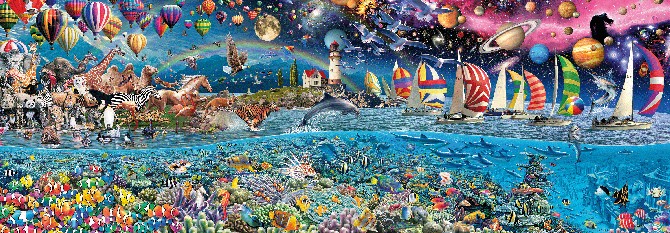
This puzzle is 15 feet by 5 feet, 24,000 pieces

People will actually pay money to have a picture sent to them in 24,000 individual pieces so they can toil away days or weeks (or longer) in putting it back together again. Instead take a highly motivated drug addict who's up all night on a meth-high. He's got nothing better to do than put your shredded documents back together and he's going to make money on it.

Assuming I've convinced you, now let's look at the major types of shredders available today:

The types of shredders
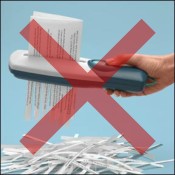
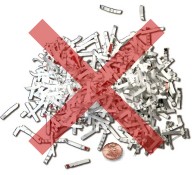
A normal shredder
Cross/confetti cut
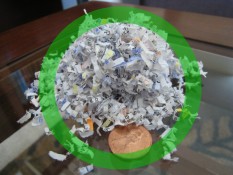
Microcut for the win!

If you're going to buy a shredder (and you should), get a microcut shredder which basically grinds your paper to dust (depending on the model). The rule of thumb is, the smaller the resulting pieces of paper, the better protected you are. So when you buy a shredder, go for the smallest cut size you can find.

Uh... that won't shred
Oh, and one more tip: If you have kids and leave your shredder unplugged most of the time or if you are just lazy and don't want to bother carefully feeding all your junkmail into the shredder right when you get home, get a box, label it "to shred", and set it next to the trash can. Now you can just toss it in the box and deal with it later.

My son loves "shred day" when we go though the box and shred everything. Just be sure to watch the kids if you plan to involve them. Nothing ruins your shredder faster than feeding it coins. Of course, I was still pretty impressed with how much damage my shredder managed to do to this penny before it exploded into a smokey crater.

Alternatives to shredding

There are some alternatives to shredding, some of which make more sense than others. Use with caution.

Burn it
You could always just burn your documents. Using a burn pile or burn barrel probably requires a permit and supervision (not an attractive option if you ask me). If you have a fireplace, you can use that except that burning in the summer will heat up your house. If you just store everything for winter, you have a ready fuel source and might be able to save on wood. Of course, you still have all that ash to deal with.


Feed it to the dog
It's generally not recommended to feed your bills to your dog. You're likely to give him indigestion especially if you feed him too much or papers with lots of ink on it. You could always get more dogs and spread the feeding out among them, but this seems like a rather inelegant solution to the problem.


Share This

Have a Comment or Question?

1 Comment to “All About Shredding”

» Comments RSS Feed

I recommend the “burning” method. It’s the only real way to assure that the document is gone for good.

Loading...

If you want to learn more about my professional background, click here to learn more.

Check out one of my guides/tutorials:

email Tutorial
|INDEX|next: E-mail Viruses

E-mail Dangers

Until we find out who the people are who actually buy things from spammers and kick them off the Internet, you're going to have to learn how to deal with and prevent spam.
E-mail Viruses - Learn how viruses are spread through e-mail and how to stop them
Phishing - Spot and avoid lures that pull you into the dark side of the web
Don't be one of those people that loses thousands of dollars to the classic Nigerian Scam.

E-mail Etiquette

Use CC only when necessary and BCC the rest of the time.
Use Reply-All when you mean to and never when you don't.
Practice proper E-mail Forwarding to protect privacy and make e-mails more readable.
Always personalize your e-mails to make it obvious to your recipient that it's valid.

E-mail Tips and Tricks

Using E-Mail Aliases Properly - Be careful about using sensitive data (like your real name) in an e-mail account.
Remember to treat your e-mail account with the security it deserves.
Use a decoy e-mail account to keep your main e-mail account free of spam.
Avoid using any Internet provider's default e-mail.

... or check out any of my other guides and tutorials by clicking here!

Preventing Spam

Spam is annoying and worthless, but you still see it every single day. Here are some tips for preventing and reducing spam.

[Click for full description]

E-mail Viruses

Make sure that viruses don't sneak onto your computer through your e-mails. Read some simple tips to prevent that from happening.

[Click for full description]

Phishing

By far the most dangerous thing you'll find in e-mails is a lie. Sending a bogus e-mail to someone is generally called phishing, but can also be referred to as a Nigerian scam (depending on the goal of the e-mail). Learn to recognize and deal with phishing before it's too late.

[Click for full description]

Nigerian Scam

Many people have lost thousands and even hundreds of thousands of dollars to the classic Nigerian Scam. Don't fall for it!

[Click for full description]

How to Use "CC" Properly

Don't violate people's privacy and invite spam into their accounts by CC'ing all your contacts. Learn the proper way to send mass e-mails first.

[Click for full description]

Reply-All

It's easy to embarass yourself or harm your career when you don't know how to use Reply-All appropriately.

[Click for full description]

How to Forward E-mails Properly

Don't forward e-mails carelessly or you risk looking foolish as best and violating the privacy of all your contacts at worst.

[Click for full description]

Personalize E-mail

Follow this simple rule of e-mail etiquette to help prevent your friends and family from falling for phishing scams.

[Click for full description]

Using E-Mail Aliases Properly

It can be hard to find a good name to use in an e-mail account that hasn't been used and doesn't give away too much information about you.

[Click for full description]

Protecting E-mail Passwords

Your e-mail account is the most important online account you have. Remember to treat it as such!.

[Click for full description]

Using a Decoy E-Mail Account

Why it's very important to use a buffer e-mail account to shield your main account from people and companies that you don't trust.

[Click for full description]

The ISP E-mail Trap

Don't fall for the trap of using the free e-mail account provided to you by your Internet service!

[Click for full description]