


Remember Tax Safety as You Do Your Taxes

(Image used under: Creative Commons 2.0 [SRC])
A few important links: Mystery Shoppers Find Deceit, Incompetence Among Tax Preparers Tax Scams Proliferate In April
Tags: IRS, Taxes
A few important links: Mystery Shoppers Find Deceit, Incompetence Among Tax Preparers Tax Scams Proliferate In April
Tags: IRS, Taxes
 Most newly issued passports carry an embedded RFID containing digitally signed biometric information. Access to this chip is wireless, which introduces a security risk, the possibility that an attacker might be able to access data on a person’s passport without the owner knowing.
It's this reason that putting RFID in passports was such a stupid idea to begin with. Put wireless into any system that protects private information and watch the world come crashing down around you.
I'm not saying that it's impossible to secure a system using wireless, but it takes a whole hell of a lot more effort that was put into the passports system.
Anyway, now that someone has proven this is viable, those fears that someone can just scan a crowd and find the Americans to target have been entirely validated.
Tags: Passports, RFID
Though the credit reporting companies scrambled to allow freezes in all states most likely to prevent each state from enacting their own laws with lower fees and more restrictions than they wanted, many states are still pursuing their own legislation (as they should).
Georgia's proposed law would allow freezes for only $3 and would automatically be free for anyone 65 and up (the first state I've heard of to have such a provision). Though it's not law yet, this is one of the better ones I've seen.
Arizona is also busy on a credit freeze law, but I wasn't able to find any details on how well their law is written.
Tags: Credit Freezes, Identity Theft
In what was a colossally stupid decision, the US put RFID chips in passports. Oh wait, this article is about the outsourcing! Right.
In what was another colossally stupid decision, the US is now outsourcing the production of RFID passports.
Tags: Passports, RFIDMany states have defied REAL ID for privacy (but mostly money) reasons. Now it looks like things are coming to a head with the DHS warning Maine that if they don't implement REAL ID, their identification may no longer be accepted at airports.
Tags: Big Brother, RFID, Security Theater
There have been almost 40 data breaches in Maryland since January which have been reported only due to a new breach notification law in Maryland.
I'm betting the story would be similar for other states if they had similar laws.
Tags: Breaches, Maryland
Washington state passed an anti-RFID law that's unfortunately far weaker than it should be.
The Washington legislation outlaws the use of RFID "spy technologies" to collect consumer information without the owner's consent. The only problem is, heavy corporate lobbying narrowed the scope of the law (before Governor Gregoire signed it) to cover only criminal acts such as fraud, identity theft, or "some other illegal purpose" (making it a Class C felony to do so). Collecting information from consumer RFID chips for marketing purposes in Washington—with or without the owner's consent or even knowledge—is still fair game.
A city that found that the red light cameras made motorists more cautious resulting in less tickatable offenses turned them off.
Tags: Police, Tickets and Fines
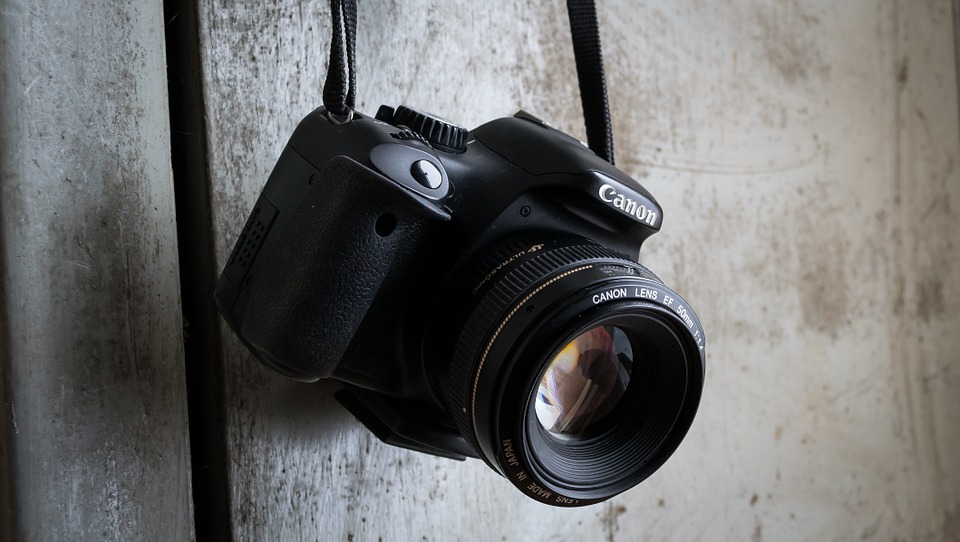
An excellent summary of some laws and rules relating to taking photos in public and other places. Near the bottom of the page, they have some links to other helpful resources as well. If you have ever been harassed about taking photos (or you expect to), this is a good article for you.
Tags: Photography, Your RightsIf you want to learn more about my professional background, click here to learn more.
Check out one of my guides/tutorials:
| First, always learn what coverage you get for free from the manufacturer. |
| When offered an extended warranty, make sure you understand the basics. |
| They want you to buy it, but is it as easy to use as they say? |
| Know beforehand what circumstances and terms put the purchase of a warranty in your favor |
| Once you need to use the warranty, make sure you know the steps to take. |
| Finally, learn why you should even bother with this mess. |
| Now it's time to make the decision of whether to buy or not. |
... or check out any of my other guides and tutorials by clicking here!
| Copyright © by Jeremy Duffy All rights reserved. | About Me and This Site | Blog | Contact | Policies | My LinkedIn | My Youtube Channel |
Products you purchase in the store almost always have warranties already. Depending on how good it is, you could be completely wasting your money buying an extended one when the default one will do.
[Click for full description]What is an extended warranty and how do you know when you see one?
[Click for full description]If you're going to spend your money on a warranty, first consider all the factors.
[Click for full description]Learn what important aspects of a warranty you need to look for to make sure you're getting a good deal.
[Click for full description]Once it's time to use your warranty, make sure you know how to navigate the system.
[Click for full description]Read some examples of how I've personally used warranties in my favor over the years.
[Click for full description]In the end, how do you decide whether to buy the warranty or not?
[Click for full description]