


Google Gets the Point, Stops data brokering
Note to Author: One of your jtags is missing a closing quote or a />. Your post is currently broken
Tags: Big Business, Google

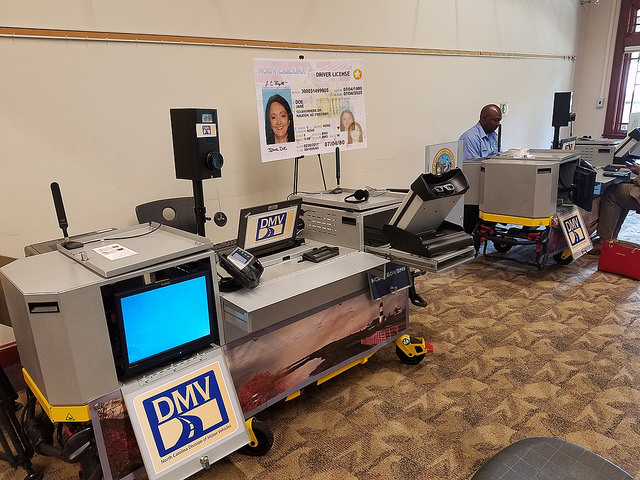
Idaho has joined a growing trend of states that are flat out telling the federal government to jump off a cliff. The REAL ID act has been attacked by privacy organizations for being a national ID card which will have far reaching implications to personal freedom. Not only that, but implementation of the system is extremely expensive and each state is supposed to pay for it.
Tags: Big Brother, George Bush, Idaho, Real ID, Security Theater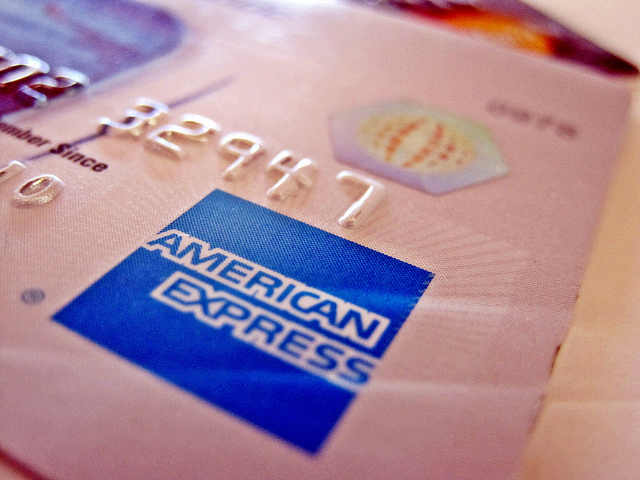
Thanks to the good work of the people over at Consumers Against Supermarket Privacy Invasion and Numbering - CASPIAN, a plot by American Express to patent technology that would "identify people, track their movements, and observe their behavior" has been exposed. According to their article:
 That patent application, titled "Method and System for Facilitating a Shopping Experience," describes a Minority Report style blueprint for monitoring consumers through RFID-enabled objects, like the American Express Blue Card
The funny part is that when American Express top brass learned that they'd been discovered, they scrambled into damage control mode and met with the leaders of Caspian promising to "ensure that any people-tracking plans be accompanied by language requiring consumer notice and consent". They also promised to make a spychip-free version of the card if a customer asks for it.
Tags: American Express, Big Business, RFID
The Consumerist found a Walmart PowerPoint presentation outlining their new focus on profiling customers into value groups and treating them accordingly. This is not new (read my Angel/Demon Customer Profiling article for details), but the funny part of it is that WalMart is so mad that it's dirty laundry was aired, that they sent a DMCA takedown notice to the Consumerist.
Walmart, "seemingly" embarrassed by having their "allegedly" sinister plot exposed, threatened the Consumerist into removing it from their site. So here's a copy.
Tags: Angels and Demons, Big Business, Walmart
Also this excerpt from Popular Science explains it in more detail actuallly referencing the use of these RFID chips in money.
For years, radio-frequency identification, or RFID, tags have been used to track everything from highway tolls to pets, but only Hitachi’s newest tag is skinny enough to fit inside a dollar bill. Just 0.15 millimeter square and 7.5 microns thick, it’s a mere 1/15 the size of the next smallest RFID chip. And it can do everything its predecessors can. Hitachi’s tags store up to 128 bits of data—including prices, serial numbers and places of origin—that radio scanners can read from more than 10 feet away.
RFID chips typically use thick metal guard rings to insulate their circuitry. The insulation limits electrical interference but makes the tags too bulky for thin products such as paper. Hitachi’s weight-loss solution is to remove the rings and separate the circuits into individual wells coated with a thin insulating layer of silicon dioxide.
So far, the new insulation trick has worked perfectly. An earlier version of the chip successfully debuted in tickets for the 2005 World Exposition in Aichi, Japan, as a way to stop counterfeiters, and a new, even slimmer version could appear in European and Japanese currency within the next few years. When that happens, banks and businesses can simply scan the tagged bills to confirm their authenticity or trace their origins.—Elizabeth Svoboda
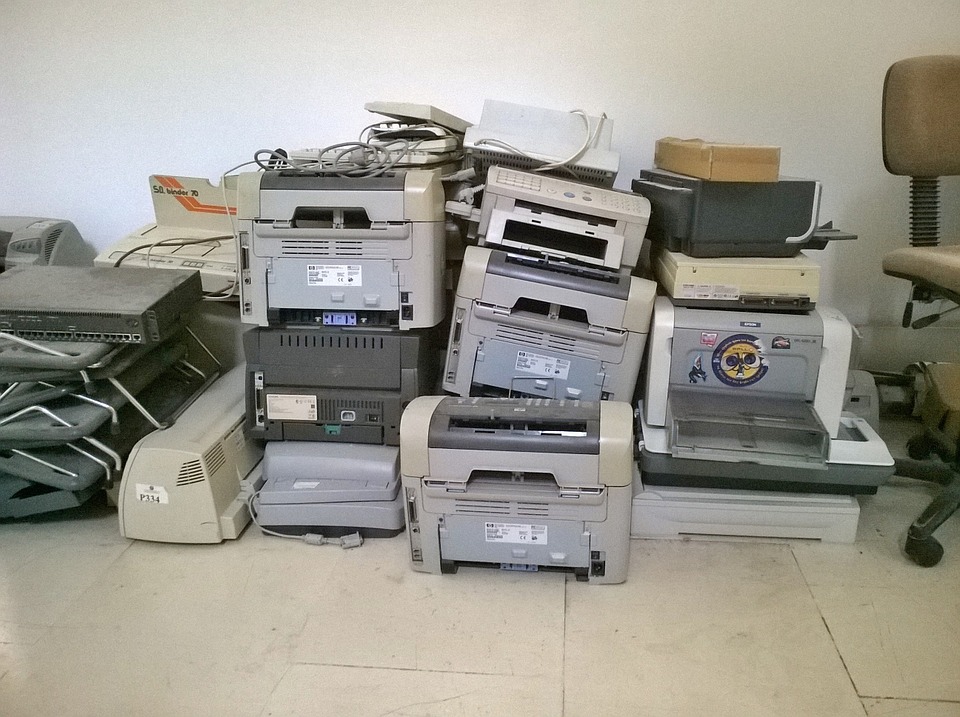
Did you know that many new printers print "tracking dots" that encodes information in everything you print? They are nearly invisible, but can be used by law enforcement or others to specifically identify what printer printed any photo or document.
Since they don't openly disclose this "feature", be sure to stop by the EFF's guide to which printers come with tracking dots and which don't before you choose your next printer.
Tags: Big Brother, Big Business, Tracking Dots
You already know that RFID chips can be easily cloned (which is really embarrassing when a company has implanted one into you because it's supposed to be more secure that way…). Now, one company is trying to silence a researcher from presenting his demonstration of how it's done at the upcoming Black Hat conference. Fortunately, an ACLU lawyer will step up and present instead.
Tags: Accountability, RFID
Ars Technica has an article about the IRS wanting eBay to turn over information on its users' earnings. This pretty much sums up the issue:
With so many people making part or all of their living through eBay, the government wants its cut. This isn't an issue of any new taxes, but an attempt to collect the income tax that is already required. Because eBay does not report information about its sellers to the government, income reporting is left up to individuals, and the temptation not to list eBay revenue as income can be a strong one—and in some cases, it's not always clear when one has to do so.eBay isn't the only Internet business that has been feeling the heat in recent months. The government is also considering how to apply tax laws to virtual worlds and goods, and it faces some of the same problems that it does with eBay. While some sellers can make a good living out of hawking such items, few report the profits as taxable income, and Uncle Sam wants its cut.

Privacy.org points to an article explaining that the backscatter x-ray will be fielded in Phoenix. This X-ray device can penetrate clothes, but not skin making a pornographic video of them. Yes this allows the TSA to see if you're carrying bombs or guns, but it also removes your clothing.

This is a damn funny article explaining who is the worst of the worst and why:
America Online's privacy intrusion efforts are so aggressive and offensive, that the only explanation seems to be that AOL thought its clientele was so naïve they would never catch on to the company's privacy invasions.Amazon.com is currently among the world leaders in distributing information about its users to advertisers, and if they continue this practice the recent advancements in data mining by Amazon threaten to make shopping online with any form of anonymity a thing of the past.Perhaps the most insidious method of privacy invasion Microsoft employs is the “Windows Live ID ? (formerly Microsoft .NET Passport). The Windows Live ID collects data from the majority of Microsoft networks including MSN, Hotmail, and Xbox Live, and stores them in a central database.Most of the others were data-brokering companies like ChoicePoint and Acxiom which have already been in the news for the way they treat consumer information. Some that I didn't expect, but am not surprised about are Yahoo and Google.
Thanks to the EFF newsletter for the link! Tags: Acxiom, Amazon, AOL, Big Business, ChoicePoint, Data Brokers, EFFIf you want to learn more about my professional background, click here to learn more.
Check out one of my guides/tutorials:
| Citizens Against Government Waste - CAGW |
| Consumers Against Supermarket Privacy Invasion And Numbering - CASPIAN |
| The Electronic Frontier Foundation - EFF |
| The American Civil Liberties Union - ACLU |
| Public Citizen |
| The Electronic Privacy Information Center - EPIC |
... or check out any of my other guides and tutorials by clicking here!
| Copyright © by Jeremy Duffy All rights reserved. | About Me and This Site | Blog | Contact | Policies | My LinkedIn | My Youtube Channel |
Citizens Against Government Waste - CAGW
[Click for full description]Consumers Against Supermarket Privacy Invasion And Numbering - CASPIAN
[Click for full description]The Electronic Frontier Foundation (a.k.a. the EFF) - a nonprofit group of passionate people — lawyers, technologists, volunteers, and visionaries — working to protect your digital rights.
[Click for full description]The American Civil Liberties Union - ACLU
[Click for full description]Public Citizen - A group of non-profit lawyers specializing in freedom of speech and other basic American rights.
[Click for full description]The Electronic Privacy Information Center - EPIC
[Click for full description]